Trending Posts
Green Radio News always
PKN and HRNS Partners Convene in Kiboga for Cross-Border Learning Exchange on conservation and biodiversity plus integration of conservation into coffee production
By Joan Nanteza Partners of PKN and HRNS from Uganda and Tanzania concluded a three-day joint…
Signing in darkness: Oil host communities struggle to attain justice for their land in the face of the East African Crude Oil Pipeline (EACOP) and Central Processing Facility (CPF) developments in Uganda’s Albertine Oil region.
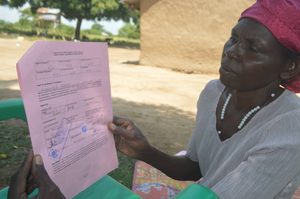
“I ignorantly signed the documents consenting to free takeover of my land,” narrates a 50 year…
Kiryajobyo Residents continue lamentations over unfulfilled promises over EACOP
Residents of Kiryajobyo West Village in Gayaza Sub County, Kyankwanzi District, say they are living in…
HOW EACOP HAS CONTRIBUTED TO HUMAN RIGHTS VIOLATIONS IN KYANKWANZI DISTRICT
When the East African Crude Oil Pipeline (EACOP) project was introduced, many Ugandans looked at it…
EACOP COMPENSATION LEAVES KYANKWANZI WOMEN FACING FAMILY BREAKDOWN AND RISING BURDEN OF SINGLE PARENTHOOD
The compensation paid to families affected by the East African Crude Oil Pipeline (EACOP) project in…
Women in the Albertine Region Champion Agroecology Amid East African Crude Oil Pipeline (EACOP) Pressures
Compiled by Polycarp Omony The National Association of Professional Environmentalists (NAPE) is empowering women in Uganda’s…
About Us
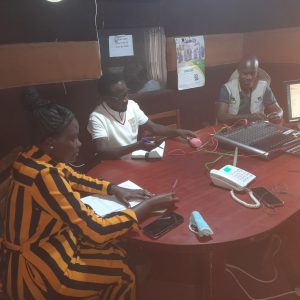
The Community Green Radio program is an offshoot of the main Sustainability School programme. It was initiated and established to speed up the process of amplifying the voices of communities in Bunyoro sub-region in Western Uganda who are grappling with the challenges posed by the mushrooming oil industry in the area. The Community Green Radio program has been on air since August 1, 2014 and is increasingly becoming popular in the region because of its people/community centered programming. Currently the listeners of the radio have formed themselves into 9 Listeners Clubs.
Some of the Listeners clubs were formed out of the existing Sustainability School villages while others which were formed independently are also turning into Sustainability villages. This ensures that the Sustainability School approach remain applicable both in the main Sustainability School and in the Community Green Radio.