
EACOP AFFECTED PERSONS IN KYANKWANZI AND KAKUMIRO RAISE ALRM OVER ENVIRONMENTAL AND ATTACKS BY WILD ANIMALS
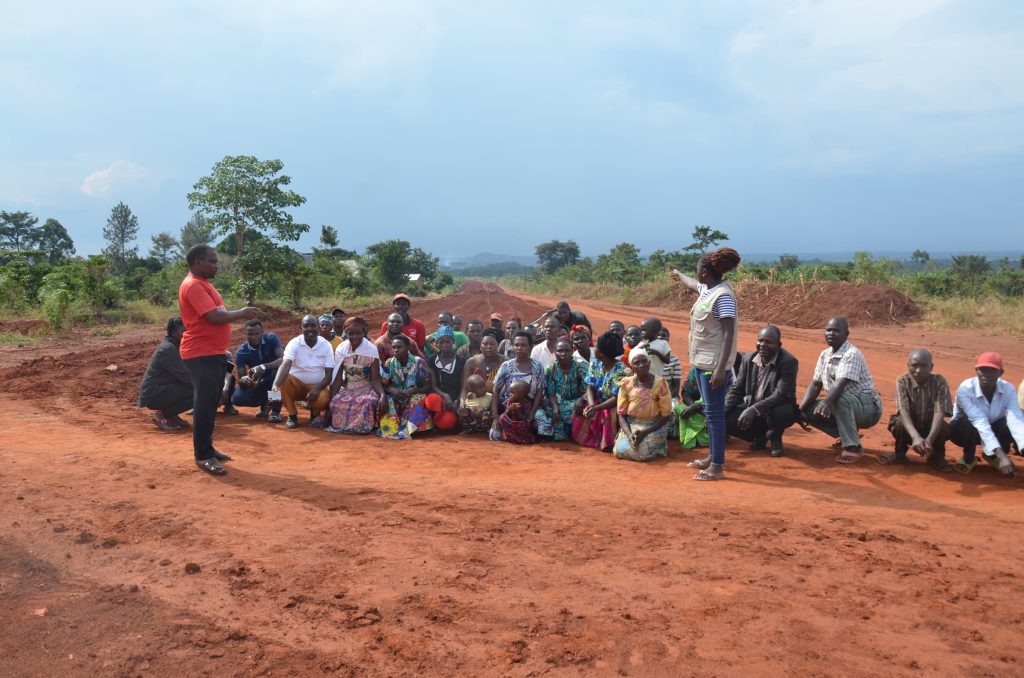
The construction of the East African Crude Oil Pipeline (EACOP) in Gayaza Sub-county, Kyankwanzi District, and Nkooko Sub-county, Kakumiro District has raised concerns among residents over the loss of vegetation and natural habitats, which they say is forcing dangerous animals into their homes and gardens.
The residents, led by Gayaza Sub-county District female councilor, Norah Bambumba, say the clearing of vegetation during construction has disturbed the natural environment and affected habitats where different species of wildlife previously lived.
The concerns have been raised by residents the villages of Kitegula, Kalabata, Binikira and Lusagazi in Nkooko Sub-county, Kakumiro District, and Kyamulalama, Kigandwa and Kikandwa in Kyankwanzi District.
Residents from these communities say they have noticed significant changes in their surroundings since construction activities began.
They claim that the clearing of trees, bushes and other vegetation has destroyed natural habitats that previously provided food and shelter for wildlife.
According to the residents, some animals that were rarely seen near homes are now appearing in gardens and residential areas.
They say the situation has created fear among families, particularly children and farmers who spend much of their time working in their gardens.
The residents fear that continued destruction of natural habitats could increase encounters between people and wildlife.
They say some animals could destroy crops, enter homes or potentially attack residents if appropriate measures are not taken.
Bambumba says communities living near the pipeline need urgent attention from both local authorities and the project officials.
She says residents should not be left to deal with the consequences of environmental changes on their own.
She is calling for greater engagement between EACOP officials, district authorities, environmental officers and affected communities to find ways of protecting residents while ensuring that environment.
They want environmental officers to assess the affected areas and establish the extent of vegetation and habitat loss.
They are also asking for increased community sensitization so that residents know how to respond when they encounter potentially dangerous animals.
The communities are further appealing for the restoration of vegetation in sections of the pipeline corridor where construction has been completed.
Samuel Ssemugaba, the District chairperson Kyankwanzi has also acknowledged the concerns raised by residents living near the pipeline corridor.
Ssemugaba says the concerns about the loss of vegetation and the movement of animals into communities need attention and that authorities have responsibility to ensure that residents are protected while environmental concerns associated with development projects are addressed.
Kyankwanzi District Natural Resources Officer, Dorothy Nankya Evelyn, confirmed that the concerns raised by the residents are genuine.
Nankya Evelyn explained that disturbance and clearing of vegetation can affect natural habitats and may cause wildlife to move to other areas in search of food, water and shelter.
STORY COMPILED BY GERALD SSENKOOMI