
Women Bear the Brunt of Environmental Destruction in Kyeyagalire Village, Nkandwa Sub county Kiboga district central Uganda
By Olive Nyamahunge
NKANDWA SUBCOUNTY, KIBOGA DISTRICT – For many women in Kyeyagalire Village, Nkandwa Sub County, and the destruction of the environment is more than a natural concern. It is a daily struggle that threatens their livelihoods, food security and ability to provide for their families.
As the environment continues to face increasing pressure from activities such as deforestation, soil degradation, wetland destruction and unsustainable land use, women, who largely depend on natural resources to sustain their households, are among those bearing the greatest burden.
In rural communities like Kyeyagalire, where agriculture and other natural-resource-based activities support household survival, environmental degradation has caused far-reaching consequences, particularly for women.
“Fertile soils have been washed away, trees have disappeared and water sources have also become unreliable turning the responsibility of finding alternative ways to feed families and meet household needs often difficult for grass root women” says Nabasirye Brenda a district woman councilor Nkandwa sub county.
For women farmers, declining soil fertility and unpredictable weather conditions have resulted into poor harvests, reduced household incomes and increased difficulty providing food for their children.
The situation have also raised concerns about the additional time and energy women spend searching for essential resources such as firewood and water when nearby sources become depleted.
Beyond the immediate environmental damage, the destruction of natural resources has deepened existing inequalities in rural communities.
Many women have limited access to land ownership, financial resources and agricultural technologies that would help them adapt to changing environmental conditions.
This has left them particularly vulnerable when their main sources of livelihood are being threatened.
For mothers, the consequences extend beyond the gardens. Reduced agricultural production can affect children’s nutrition, school attendance and the general well-being of households.
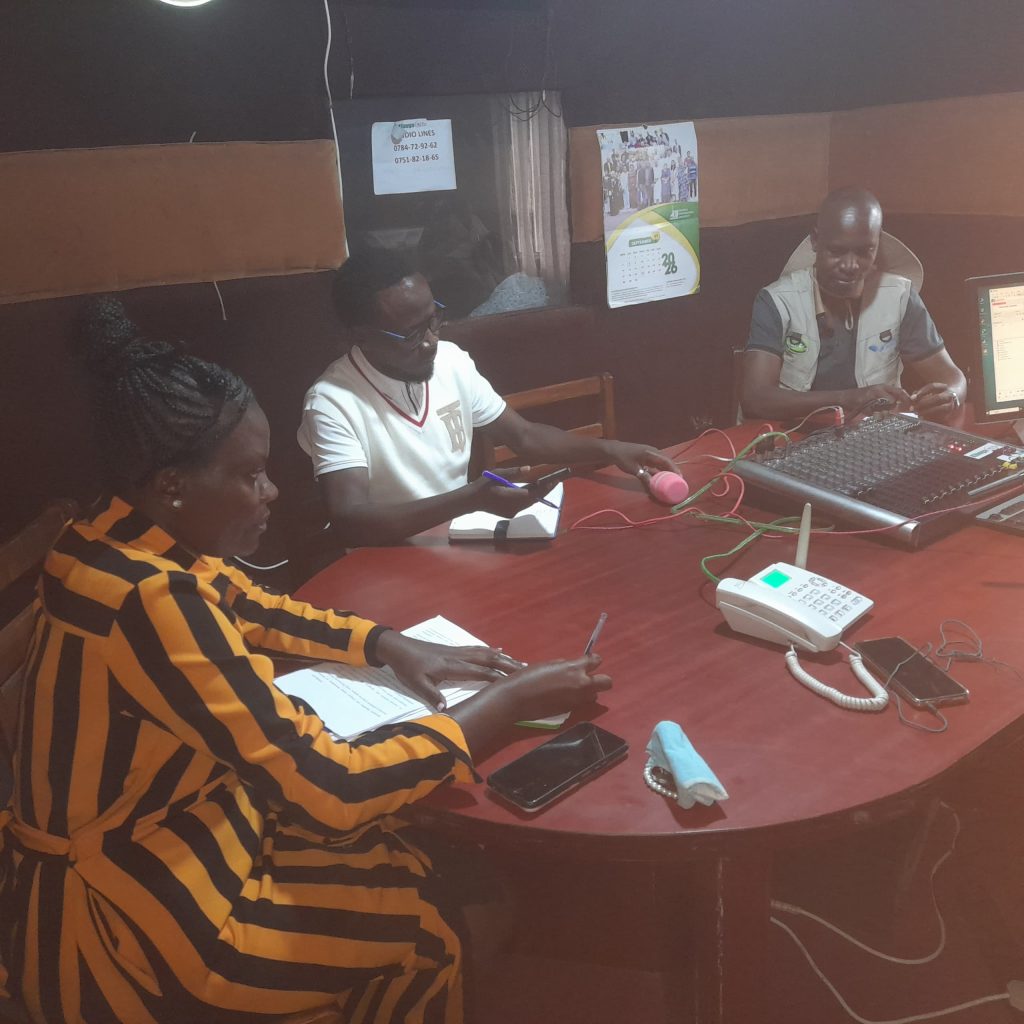
Through the Community Green Radio program that operates under Radio Kiboga, the senior environmental officer Zainab Nakkandi has assured the people of Nkandwa sub county Kyeyagalire village inclusive on the district efforts to restore forests through household tree planting mandate and restoration of wetlands among others that according to her will restore sanity among women.
Supporting women to participate in tree planting, sustainable farming, soil conservation, proper waste management and the protection of water sources are among the many ways that will help contribute to restoring the environment while strengthening household livelihoods.
Local leaders, environmental authorities and development partners also have an important role to play in promoting environmental awareness and ensuring that communities have the resources needed to protect their natural surroundings.
For the women of Kyeyagalire, protecting the environment is ultimately about protecting their livelihoods, their children’s future and the survival of their families.
Their experiences should serve as a reminder that environmental destruction does not affect everyone equally. And until women’s voices are included in environmental decision-making, those who depend most on nature may continue to carry the heaviest burden.