
RESIDENTS OF KAKOORA RAISE ENVIRONMENTAL CONCERNS IN THE AFTERMATH OF EACOP CONSTRUCTION
By Olive Nyamahunge
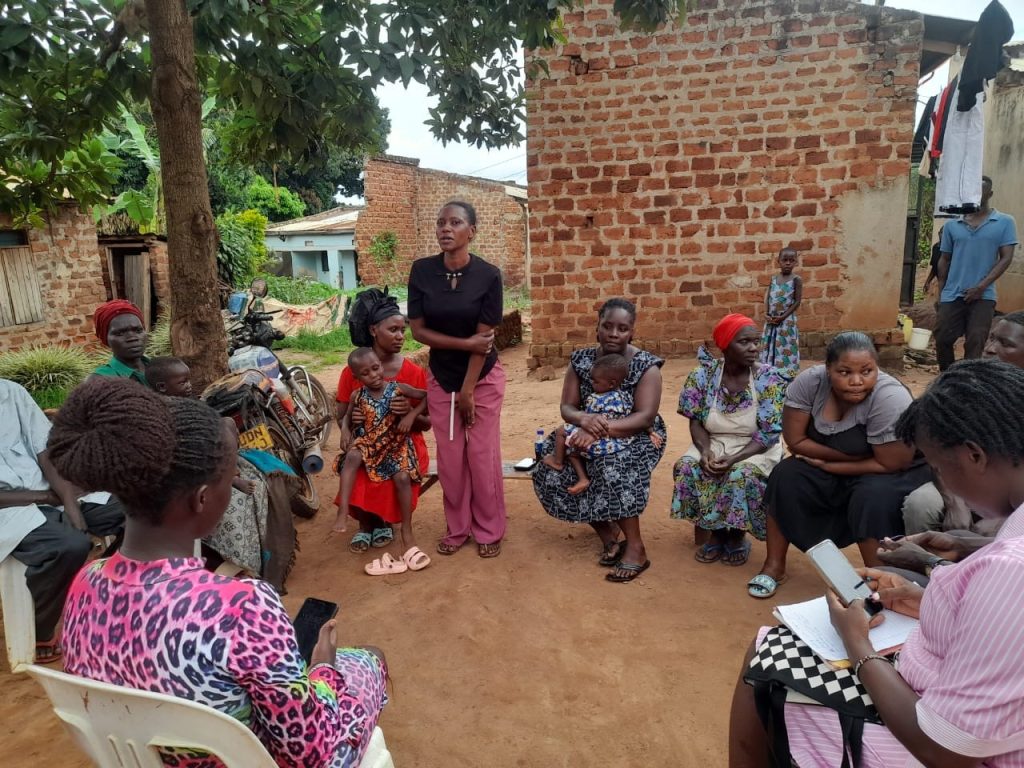
Residents of Kakoora in Kibiga Sub-county, Kiboga District, have expressed concern over the need for stronger environmental protection measures following the construction activities of the East African Crude Oil Pipeline (EACOP), calling for proper restoration and continuous monitoring of areas affected by the project.
The residents are worried about the long-term environmental consequences of the construction activities, particularly the possible effects on agricultural land, vegetation, soil stability and nearby water sources.
For communities that largely depend on agriculture for their livelihoods, environmental protection remains a major concern. Residents fear that if restoration activities are not properly implemented and monitored, the effects of construction could continue affecting their land and the natural environment long after the project activities have ended.
They are particularly concerned about soil degradation, possible soil erosion, and the loss of vegetation and the ability of affected land to regain its original productivity.
Residents believe that environmental restoration should not end with the completion of construction works but should include continuous assessment to establish whether affected areas have recovered and whether communities are safe from potential environmental risks.
They are therefore calling upon EACOP, environmental authorities and other responsible stakeholders to strengthen their engagement with affected communities, provide clear information about restoration plans and ensure that environmental protection commitments are fulfilled.
The community also wants regular environmental assessments to identify any emerging challenges and appropriate interventions to prevent further environmental degradation.
Environmental protection is particularly important in rural communities such as Kakoora, where people’s livelihoods, food security and economic activities are closely connected to the health of the land and surrounding natural resources.
As the country continues to pursue oil-related development, residents emphasize that economic progress should go hand in hand with environmental responsibility, community participation and accountability.
“We want to see practical restoration measures that guarantee a safe and healthy environment for both the present generation and those yet to come”. Said Mwanje Twaha an environmental activist based in Kakoora-Lwanda Kibiga Sub County
The concerns raised by residents highlight the importance of ensuring that communities affected by major infrastructure projects are not left to deal with environmental challenges long after construction activities have been completed.
An important statement came from Charity Tushemereirwe, an EACOP Environmental Engineer, during the fourth Annual Joint Civil Society Conference organised by the Petroleum Authority of Uganda.
She identified the restoration of the pipeline right-of-way and affected wetlands as some of the outstanding environmental challenges.
She also explained that temporary access roads created during construction have become useful to some communities, making their closure difficult even though restoring the affected areas is part of the company’s environmental obligations.
She emphasized the importance of continued engagement with communities to explain why certain restoration activities must be undertaken.