
LWANDA RESIDENTS FEAR AFTERMATH OF EACOP PROJECT
By Joan Nanteza
Residents of Lwanda Village in Kibiga Sub-county, Kiboga District, have expressed fear over the possible aftermath of the East African Crude Oil Pipeline (EACOP) project, questioning what will happen to their community once the project activities are completed.
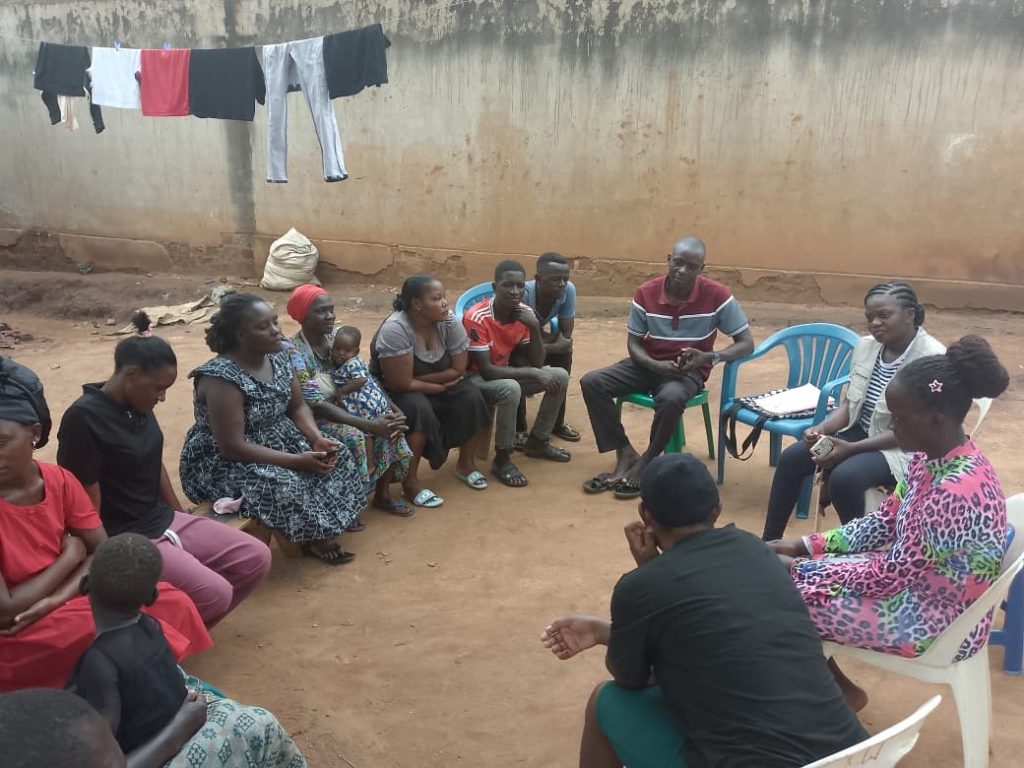
The concerns emerged during a community outreach conducted by Community Green Radio, where residents discussed their fears about the conditions in which their community could be left after the construction and implementation of the pipeline project.
Residents are particularly worried about the possible failure to properly restore land used during pipeline construction, saying this could leave some areas exposed to soil erosion, damaged vegetation and reduced agricultural productivity.
Another concern is the possibility of some households struggling to recover their livelihoods, particularly those whose agricultural land, gardens and other sources of income may have been affected by project activities.
Residents further fear that communities could be left with environmental challenges without adequate support or compensation to help them recover from the effects of the project.
Maseruka Deo, the Kibiga Sub-county LC3 Chairperson, also expressed concern about the possible aftermath of the project, noting the importance of ensuring that the community does not bear the burden of environmental and socio-economic challenges after the completion of construction activities.
He emphasized the need for responsible authorities and project implementers to consider the welfare of residents and ensure that appropriate measures are put in place to address any challenges that may arise.
Through the outreach, Community Green Radio highlighted the importance of preparing communities for the aftermath of oil infrastructure development and ensuring that environmental restoration and community recovery are given attention.
The concerns highlight the need for EACOP project implementers to look beyond the completion of pipeline construction and take responsibility for the condition in which communities are left.
Residents say the success of the project should not only be measured by the completion of the pipeline but also by whether affected communities can continue living safely, farming productively and enjoying a healthy environment after the project activities come to an end.