
HOW EACOP HAS CONTRIBUTED TO HUMAN RIGHTS VIOLATIONS IN KYANKWANZI DISTRICT
When the East African Crude Oil Pipeline (EACOP) project was introduced, many Ugandans looked at it as a gateway to economic transformation, jobs and a better future. But for some communities along the pipeline route, that hope has gradually turned into a painful experience of displacement, forced evictions, delayed and inadequate compensation, loss of homes and livelihoods, and the relocation of family graves.
Instead of experiencing the promised benefits of oil development, some affected families say they have been left struggling to rebuild their lives after losing land that sustained them for generations, raising serious concerns about violations of their human rights.
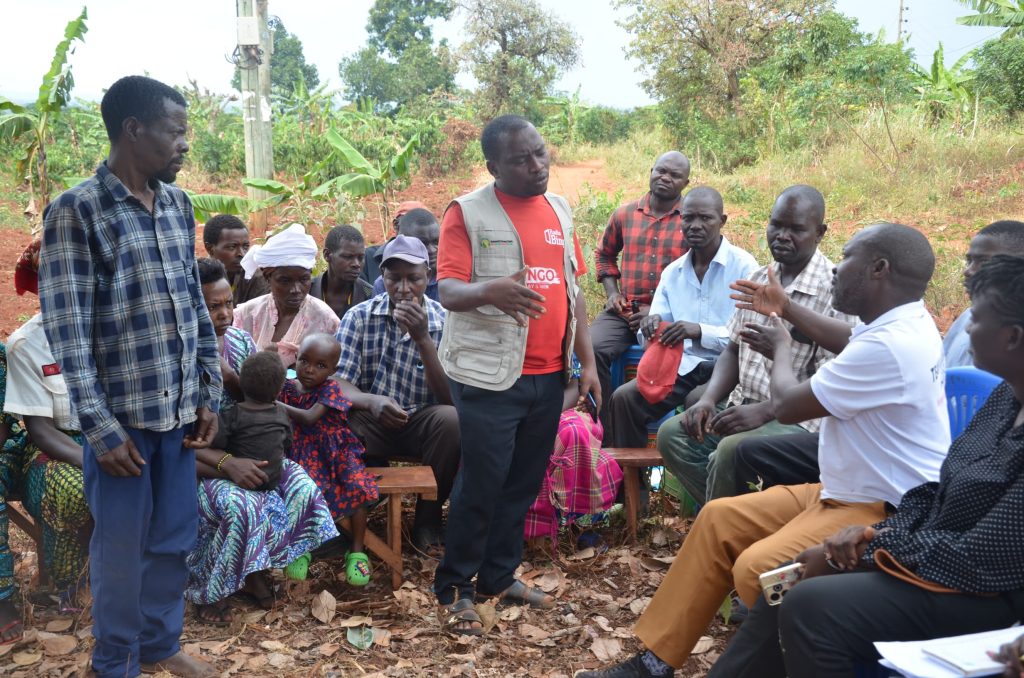
These concerns have emerged from communities directly affected by the project. During a Community Green Radio community outreach in EACOP-affected areas of Kyankwanzi District, residents shared experiences of land acquisition and displacement, including complaints about delayed compensation, inadequate payments, loss of property and the disruption of their livelihoods and family life.
Among the most sensitive issues associated with land acquisition has been the relocation of graves. For many families, burial grounds are sacred places that connect the living with their ancestors. The removal of a grave because of an infrastructure project is therefore not simply a land transaction; it can represent a painful disruption of family history and cultural identity.
Teresa Bamuteze is one of the residents affected by the EACOP project in Kikajjo village Nabulembeko parish in Kyankwanzi district and among those who spoke to Community Green Radio during its outreach in the affected communities. She explained how the project has affected her, saying that she has not yet to receive her compensation despite the continued implementation of the project and activities related to it.
Bamuteze says she has made several attempts to follow up on her compensation and sought help from different people concerned, but all her efforts have so far yielded no results. She says the prolonged delay has left her waiting for what she believes she is entitled to, while the project activities continue around her.
Sadat Mugerwa the LC5 councilor in Gayaza sub county Kyankwanzi district confirmed the concerns raised by affected residents, describing how communities have experienced difficulties associated with the project. He explained that project has done more harm than good something they didn’t expect.
The concerns documented by Community Green Radio are consistent with findings from independent human-rights investigations. A Human Rights Watch investigation based on more than 90 interviews, including 75 displaced families in five Ugandan districts, documented concerns over delays, poor communication and inadequate compensation connected to oil-related land acquisition
By Joan Nanteza