
Civil Society activists discuss Uganda’s Protection of Sovereignty law as fears over narrowing civic space escalates
By Oliver Nyamahunge
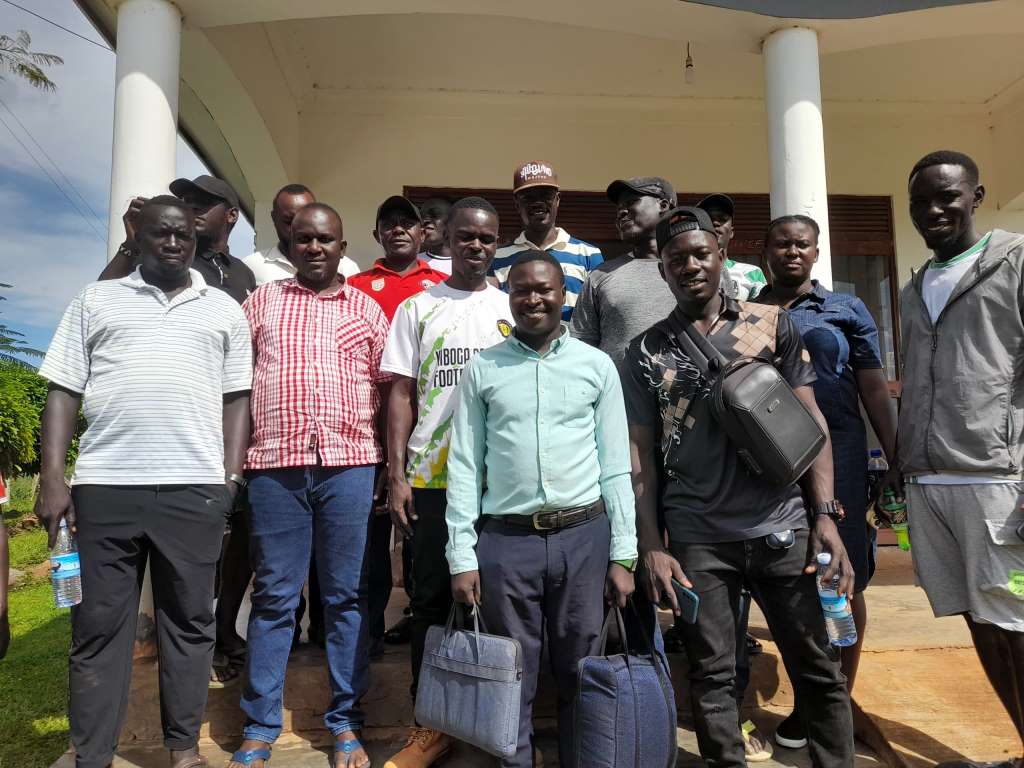
A workshop aimed at creating awareness and promoting understanding of Uganda’s Protection of Sovereignty Act, 2026, was held on 11th November 2026 in the Community Green Radio in Kiboga town central Uganda.
The workshop was facilitated by Businge Micheal, who guided participants through discussions on the law, its objectives, key provisions and potential implications for individuals and organisations operating in Uganda.
The Protection of Sovereignty Act, 2026, also known as Act 7 of 2026, was assented to by Ugandan President Yoweri Kaguta Museveni on 17th May 2026 and commenced on 22nd May 2026. The law seeks to protect the sovereignty of the people of Uganda while regulating the activities, registration and funding of agents of foreign entities.
During the workshop, attention was drawn to the importance of understanding the law, particularly its provisions concerning foreign funding, political activities, government policy and the involvement of foreign entities in matters affecting Uganda.
The Act places responsibility for its implementation under the Department responsible for Peace and Security in the Ministry of Internal Affairs in Uganda.
The engagement provided an opportunity to examine the relationship between national sovereignty, citizens’ participation in governance, freedom of expression and the operations of organisations that receive support from international partners.
The discussion also highlighted the importance of public awareness of laws that affect citizens, civil society organisations, media practitioners and other stakeholders.
The Protection of Sovereignty Act has a bearing on donor support to Civil Society Organizations (CSOs) in Uganda as to aims at regulating how funding flows in. CSOs face shrinking external aid and funding gaps, even as multilateral agencies, embassies, and institutional initiatives continue to offer grants and capacity-building programs.
Around 95% of Ugandan CSOs rely heavily on donor support, and reductions from major international partners have stalled programs and strained social services.
As Uganda continues to engage with international development partners, understanding the Protection of Sovereignty Act remains important in ensuring that individuals and organisations are aware of their legal responsibilities and the provisions governing their activities.
Uganda’s Protection of Sovereignty Act, 2026 requires foreign-linked CSOs to register and restricts unapproved policy work and foreign funding.
The law provides the statutory provisions governing foreign agents, funding declarations, and enforcement in Uganda.
Legal analysis by some advocates notes mandatory foreign-funding declarations above UGX 400 million per year, alongside exemptions for specific licensed, health, academic, and commercial transactions.
The law prohibits interference in government operations, electoral processes, and economic systems, as well as unauthorized policy implementation or disruptive activities, carrying fines or imprisonment of up to 10 years (and up to UGX 1 billion for individuals or UGX 2 billion for legal entities on specified offences).
Analysts observe that broad rules on advocacy, governance, and foreign funding can reach core CSO programs in human rights, governance, public health advocacy, and development, while unapproved policy advocacy risks criminal liability.
According to the International Center for Not-for-Profit Law, the law layers onto existing tools—such as the NGO Act, anti-money laundering and counter-terrorism financing rules, and the Computer Misuse Act—that have been used to suspend groups, freeze bank accounts, and tighten disclosures.
The World Organization Against Torture warns that housing administration and enforcement inside the Ministry of Internal Affairs creates a risk of selective enforcement, stigma, surveillance, and funding hurdles for human rights defenders and CSOs.