
LWANDA RESIDENTS QUESTION EACOP’S EMERGENCY PREPAREDNESS AS FEARS GROW OVER PIPELINE SAFETY
By Nanteza Joan
Residents of Lwanda Village in Kibiga Sub-county, Kiboga District, have raised concerns about the emergency preparedness of the East African Crude Oil Pipeline (EACOP) project, questioning how prepared the project team is to respond to emergencies that may occur along the pipeline route.
The residents say they are worried about the possibility of an emergency, such as a pipeline rupture, oil leakage or fire, and whether the response teams would be able to act quickly enough to prevent loss of lives, destruction of property and environmental damage.
Their concerns are centered on how long it would take the EACOP emergency response team to reach affected communities, contain an incident and provide assistance to people living near the pipeline. They also question whether communities have adequate information and practical skills to protect themselves before emergency responders arrive.
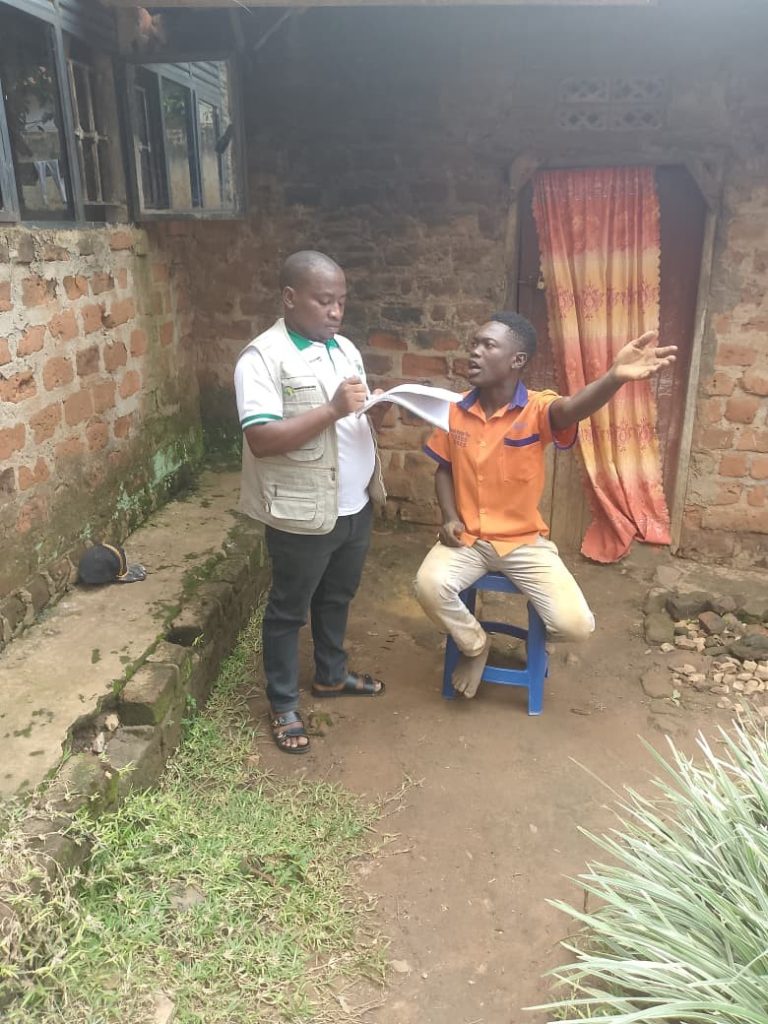
The concerns emerged during a community outreach conducted by Community Green Radio in Lwanda Village, where residents questioned the level of preparedness of the EACOP team in handling possible pipeline-related emergencies.
Residents want EACOP to clearly explain its emergency response procedures, including how incidents are reported, who is contacted, how quickly response teams are expected to arrive and what immediate measures communities should take in case of a pipeline emergency.
They further question whether they have been adequately sensitized about warning signs of a possible pipeline emergency, evacuation procedures, safe assembly points and the appropriate authorities to contact when an incident occurs.
Of particular concern is whether communities can protect themselves during the critical period between the occurrence of an emergency and the arrival of specialized response teams.
Residents argue that emergency preparedness should not only focus on the technical capacity of EACOP but also on the safety and readiness of communities living along the pipeline corridor.
They are therefore calling for regular community sensitization meetings, practical emergency drills and clear communication channels to ensure that everyone understands what to do when an emergency occurs.
They also want EACOP to demonstrate its emergency response capacity and assure communities that sufficient equipment, trained personnel and resources are available to respond to incidents without unnecessary delays.
As the EACOP project progresses, questions about emergency preparedness remain important for communities such as Lwanda, where residents want more than assurances. They want to know whether the systems, personnel and resources needed to protect their lives, property and environment are ready before an emergency happens.