
LWANDA RESIDENTS DECRY RESTRICTIONS ON AGRICULTURAL ACTIVITIES NEAR EACOP
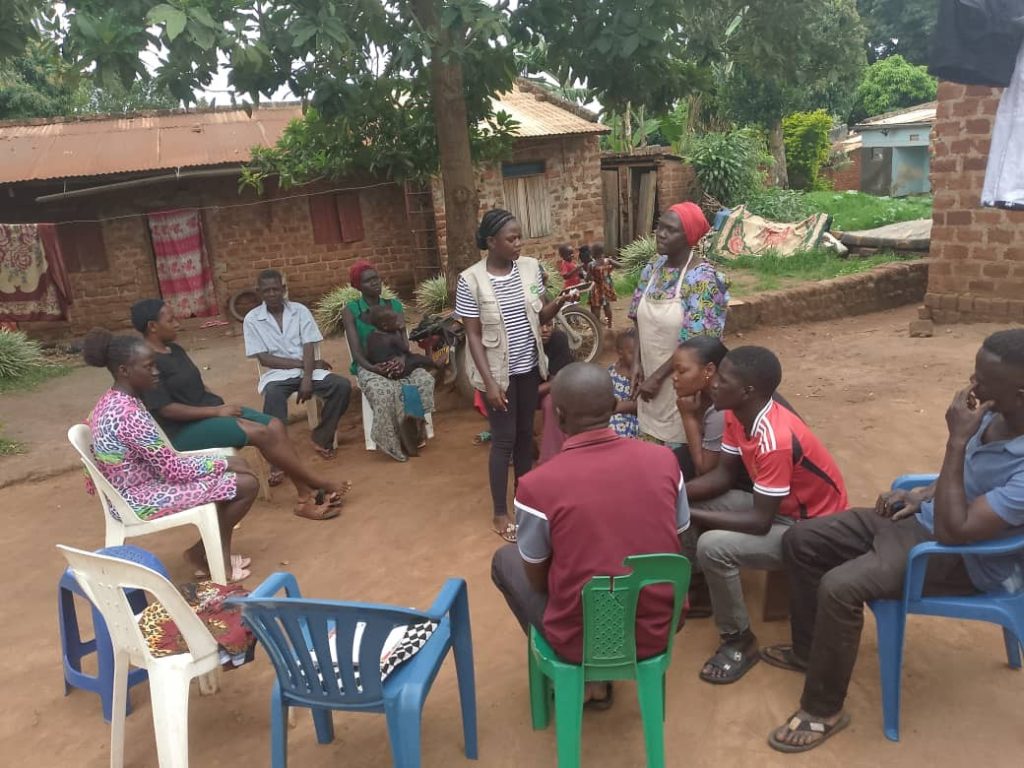
By Ssenkoomi Gerald
Residents of Lwanda Village in Gogonya Parish, Kibiga Sub-county, Kiboga District, have expressed concern over restrictions on agricultural activities on their land located near the East African Crude Oil Pipeline (EACOP) route, saying the measures are affecting their ability to utilize their land for farming.
The residents say they have been stopped from accessing and carrying out certain agricultural activities on portions of land near the pipeline, despite depending on farming as their main source of livelihood.
Led by Leo Ssebufu, the affected residents explain that the restrictions have made it difficult for them to maintain their gardens and continue growing crops such as bananas and coffee, which provide food and income for their families.
They argue that agriculture remains their main economic activity and that limiting their access to farmland could expose their households to financial difficulties, particularly those that depend entirely on crop production to meet their daily needs.
Ssebufu says the situation has raised questions among residents about the extent of the restrictions, the activities they are allowed to carry out and how long the limitations will remain in place.
The residents are concerned that continued restrictions could affect their agricultural production, especially if they are unable to maintain existing crops or establish new gardens on the affected portions of land.
They are now appealing to EACOP management and relevant government authorities to engage them and provide clear information regarding the restrictions imposed on agricultural activities along the pipeline corridor.
The residents also want authorities to explain the specific safety measures governing land use near the pipeline and identify the agricultural activities that can safely continue without interfering with the pipeline infrastructure.
They say proper communication between the project management and affected communities is necessary to avoid misunderstandings and ensure that residents understand their responsibilities and the safety requirements associated with the project.
Moses Maseruka Deo, the Kibiga Sub-county LC3 Chairperson, is among the local leaders expected to engage the relevant authorities to address the concerns raised by the residents.
The affected community wants local leaders to follow up on the matter and ensure that their concerns are presented to the responsible EACOP officials for clarification and possible intervention.
The situation in Lwanda raises broader questions about how communities living along major infrastructure projects can continue with their economic activities while observing safety requirements established to protect the infrastructure and the people living around it.
For many rural households, land is not only a physical asset but also an important source of food, income and family security. Restrictions on agricultural activities therefore require clear communication and appropriate engagement with the affected communities.
The East African Crude Oil Pipeline is a major regional infrastructure project intended to transport crude oil from Uganda’s oilfields in the Albertine Graben in Hoima District to the port of Tanga in Tanzania.
The pipeline stretches approximately 1,443 kilometres, with about 296 kilometres located in Uganda and the remaining section crossing Tanzania.
In Uganda, the pipeline traverses ten districts, including Hoima, Kikuube, Kakumiro, Kyankwanzi, Mubende, Gomba, Sembabule, Lwengo, Rakai and Kyotera.