
EACOP COMPENSATION LEAVES KYANKWANZI WOMEN FACING FAMILY BREAKDOWN AND RISING BURDEN OF SINGLE PARENTHOOD
The compensation paid to families affected by the East African Crude Oil Pipeline (EACOP) project in Kyankwanzi District is becoming a growing concern among some women, who say the money has contributed to family breakdown and left some women struggling to raise their children without the support of their partners.
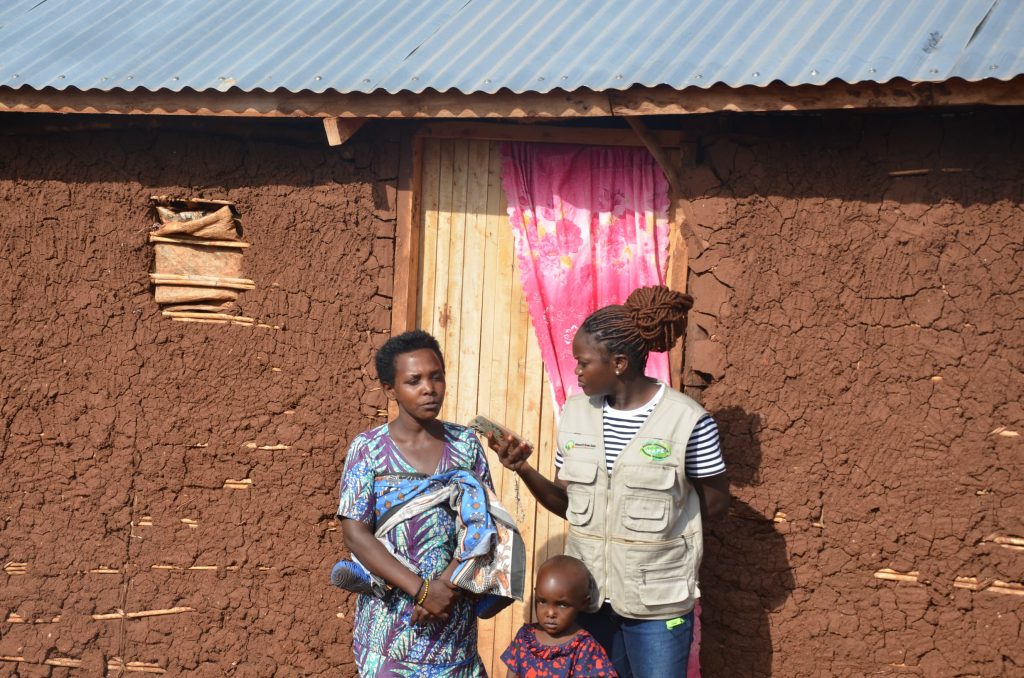
The concerns were documented by Community Green Radio during its community outreach in EACOP-affected communities in Kyankwanzi District, where women shared their experiences of how land acquisition, compensation and the loss of livelihoods have affected their families.
For some women, the effects of the project did not end with the loss of land. They say that in some households, family relationships changed after compensation was received, with husbands allegedly leaving their families, entering new relationships or spending compensation money without adequately planning for the future of the household.
Before the project, many families depended on agriculture, with husbands and wives working together on their land to produce food and generate income for school fees, healthcare and other household needs.
But some women say that after compensation, they were left carrying responsibilities that had previously been shared between both parents.
Namubiru Robinah, a resident of Kaseka Village, Kiryajobyo West Parish, Gayaza Sub-county in Kyankwanzi District, says she is struggling to raise her children alone after her husband disappeared shortly after receiving compensation.
Namubiru says she is now responsible for providing food, paying school fees and meeting the daily needs of her children, despite the family previously depending on both parents.
Her experience, she says, shows that the consequences of land acquisition can go beyond the loss of property and affect the stability and welfare of families.
Samuel Ssesasa, the LC1 chairperson of Kaseka Village, Kiryajobyo Parish, Gayaza Sub-county in Kyankwanzi District, explained that many women in the area did not directly benefit from the EACOP project and its compensation.
He said that after receiving compensation, some men abandoned their families, while others used the money to start new relationships or marry other women.
He added that some men spent the compensation on personal assets such as buying boda bodas, leaving women to continue shouldering the responsibility of caring for their children and managing household needs.
During the outreach, the affected women also expressed appreciation to Community Green Radio for consistently providing them with a platform to speak about the challenges they face because of EACOP.
They said Community Green Radio has helped amplify their voices and make their concerns heard by a wider audience, including community leaders, government authorities, project officials and other people responsible for addressing issues affecting EACOP-affected communities.
The concerns raised by the women are also reflected in EACOP’s own Human Rights Impact Assessment, which identified risks that women may not directly benefit from compensation paid for family land. The assessment found that, in some communities, land and other assets were commonly registered or controlled in the names of men, meaning compensation could also be paid to men.
By Joan Nanteza