
Kiboga Women Struggle under Scorching Sun as Communities Wait for Expected Rains
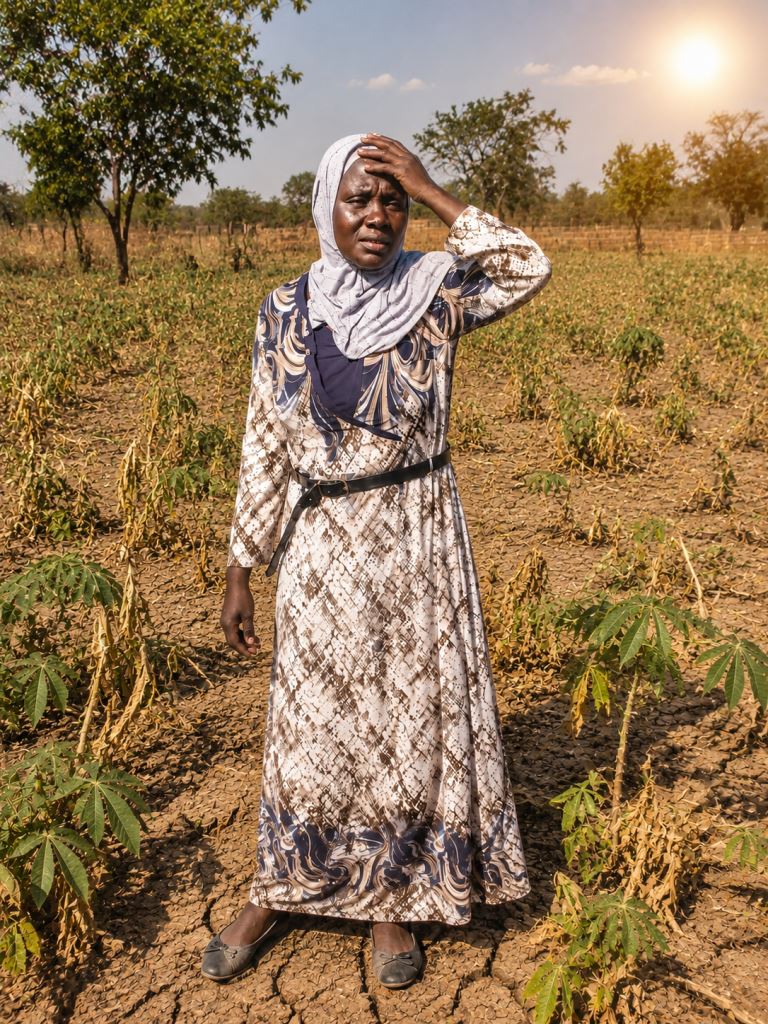
Women in several communities in Kiboga District are increasingly struggling with the prolonged dry and sunny conditions, as families wait anxiously for the rains expected to usher in Uganda’s second rainy season.
For many women, the absence of reliable rainfall is more than a weather concern. It is affecting farming, household water supplies and other daily activities that depend heavily on the availability of water.
Across the district, the bright sunshine has left many gardens dry and increased the pressure on women who are often responsible for collecting water, preparing food and supporting agricultural activities within their households.
“I expected the rains to start by August because when we normally begin preparing for the next farming season,” a one Lillian Namuwaya a resident of Kiganzi village in Kiboga district said, describing the current weather as frustrating for families that depend on agriculture.
The situation comes at a time when many farmers are preparing their land and hoping to plant as soon as sufficient rainfall arrives. However, the continued sunshine is making it difficult for some women to confidently invest in seeds and other farm inputs.
For some women in Kiboga, the changing weather has also encouraged them to reconsider the type of seeds they use. Sarah Kamyuka, a resident of Kasinina Kapeke Sub County, applauded Community Green Radio for using its programs to encourage farmers to embrace indigenous seeds that are more suited to local conditions and can withstand periods of drought.
“I want to applaud Community Green Radio for advising us to turn to indigenous seeds. These seeds are important because they can withstand dry conditions and give us hope even when the rains delay. As women farmers, we need information that can help us adapt to the changing weather and protect our food security, said Kamyuka.
Community Green Radio, which operates through Kiboga FM, has been promoting environmental awareness and sustainable livelihoods among communities in the area. Its programs also provide a platform for women and other community members to share knowledge and adopt environmentally friendly practices.
The call to embrace indigenous and climate-resilient seeds comes as farmers across Uganda increasingly face unpredictable rainfall and prolonged dry spells. Research and agricultural organizations have highlighted the potential of locally adapted seed varieties in helping farmers cope with climate-related stresses.
The Ministry of Water and Environment’s September–December 2026 seasonal outlook indicates that most parts of Uganda are expected to receive near-normal to above-normal rainfall, although the start of the season is expected to be delayed in some areas.
For Kiboga and other districts in the western parts of Uganda’s Central Region like Kyankwanzi and Hoima, the forecast indicates that dry conditions could persist until around mid-to-late September, after which steady rains are expected to begin. Rainfall is projected to peak between late October and November.
This means women in Kiboga district may have to endure more dry days before the expected rains become established.
Agriculture remains an important source of livelihood for many families in Kiboga. When rainfall is delayed, farmers face uncertainty over when to plant, while those who have already planted may worry about crops receiving insufficient moisture.
For women who depend on farming and small-scale businesses to support their families, prolonged dry weather can translate into reduced income and increased household expenses.
The heat also adds another challenge. Women who spend long hours working outdoors or travelling to collect water are exposed to the intense sunshine, making routine activities more physically demanding.
Despite the current difficulties, the official forecast offers some hope. Uganda is expected to experience wetter-than-normal conditions overall during the September-to-December season, with rainfall likely to become more consistent later in September and intensify towards October and November.
For the women of Kiboga, the message is therefore one of patience and preparedness.
As they continue coping with the sunshine, many are watching the skies and hoping that the promised rains will arrive soon enough to revive their gardens, replenish water sources and ease the burden on households.
Until then, the women remain at the centre of the struggle — adapting to the changing weather while keeping their families and livelihoods going.
By Oliver Nyamahunge