
Residents Decry Loss of Water Sources Following EACOP Construction in Kyankwanzi district central Uganda
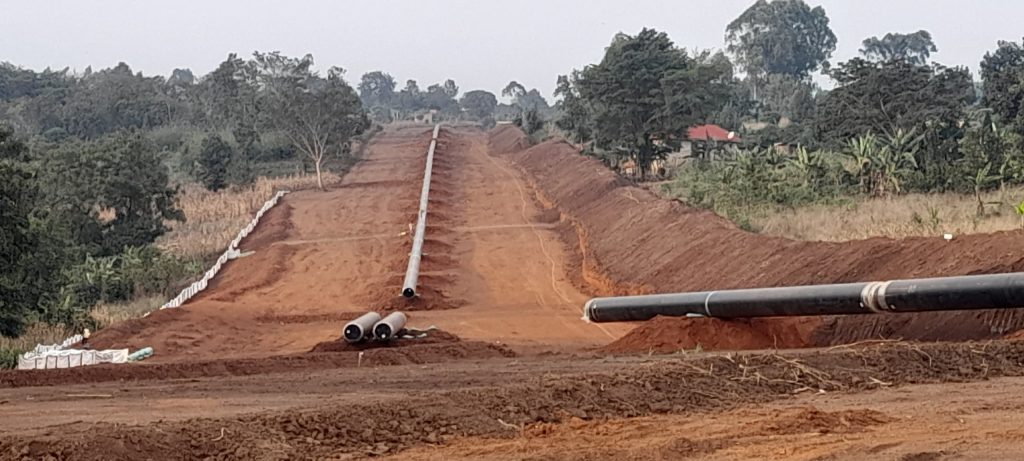
Residents of Kijungutte, Seeta, Kamudiindi and Kyamulalama villages in Kyamulalama Parish, Gayaza Sub-county in Kyankwanzi District have raised concern over the destruction of their major sources of water during the construction of the East African Crude Oil Pipeline, EACOP.
The affected residents say several boreholes and wells that served as their main sources of safe and reliable water were destroyed because they were located along the pipeline route.
They claim that the water sources have not been replaced, leaving many families struggling to access clean water.
Residents say the situation has made it difficult for them to obtain water for domestic use, livestock and other daily activities.
According to the residents, the lack of replacement water sources has also increased the burden on households, as some people spend considerable time looking for water instead of engaging in farming, business and other productive activities.
Residents are now calling upon the district leadership, EACOP project authorities and other relevant stakeholders to conduct an assessment of the affected villages and provide alternative boreholes or other safe water sources.
They argue that while development projects such as the oil pipeline are important to the country’s economy, communities affected by such projects should not be left without essential services.
The residents further want authorities to engage them directly and explain plans to restore their water sources, saying access to clean and safe water is essential for protecting public health and improving the livelihoods of the affected communities.
Some are now forced to walk long distances in search of alternative water sources, while others depend on unsafe sources, which they fear could expose their families to waterborne diseases.
Yahaya Ssemate, the Kyamulalama parish Chairperson, said the destruction of the water sources has created a serious challenge for residents, particularly women, children and elderly people who are often responsible for collecting water.
Ssemate says residents expected the affected water sources to be restored or replaced after they were destroyed, but this has not happened, leaving the communities without adequate alternatives.
He called on the responsible authorities and EACOP project stakeholders to urgently intervene and ensure that residents regain access to reliable sources of clean water.
The LC3 Chairperson of Gayaza Sub-county, Leosan Ssebalunzi, also expressed concern over the situation, saying water is a basic necessity that should not be neglected during the implementation of development projects.
Ssebalunzi says the affected communities have endured the consequences of the destruction of their water sources and need immediate intervention from the district and other responsible authorities.
Norah Bambumba, the Gayaza Sub-county District Councilor, says she will raise the matter before the Kyankwanzi District Council so that the affected communities can receive attention.
Bambumba says the district leadership needs to establish how many water sources were destroyed and why they have not been replaced. She says she will use the district council platform to push for a solution to the residents’ concerns.
Compiled by Nyamahunge Olive